

The "In-Between"
Lent in a time of turmoil

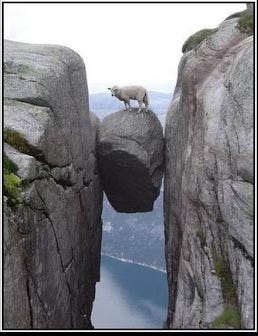
The season of Lent is almost upon us and this year it has an edge to it like no other.
In my church context, we have people from all kinds of backgrounds. For some, Lent is a natural part of the flow of the year, but many others have never even heard of it. And then there are those who associate it with a tradition that is traumatizing to them, so what do they do with Lent now?
Historically, Lent has been a time of introspection, even of penitence and abstinence. Typically fasting, prayer and charitable giving are part of the practice for the 6 weeks of Lent that lead up to Holy Week and Easter. The western tradition and eastern tradition agree on this pattern of preparation for the celebration of Easter/Pascha, or Resurrection Sunday. They agree on fasting from meat, from frivolous spending and consumption, increasing prayer and church attendance and the need to invest more in charitable works. They disagree on some terminology, some theology, and the calendar.
And for Protestants, like my tradition, Lent is either not “a thing” at all, or it might have been lifted up recently, as many Protestants look more deeply into their own tradition and see what it may offer them, even if we’re then going to disagree about any and every detail. This is our right as Protestants!
But this year I am thinking about how a season of introspection and self-restraint hits during such upheaval and anxiety. Is it good for us to be giving something up when it feels like so many things are being wrenched away? Is it helpful – physically, mentally or spiritually – to be intentionally introspective when all we can do is think incessantly about our lives, doomscrolling our minds to a place where we don’t know what anything even means anymore?
We Protestants have certainly reframed Lent in many ways, but I’m thinking about it entirely differently this year. I am imagining, with the prompting of the great work of the minds over at Sanctified Art, what it might be like to have an intentional time of being “in-between?” We are, after all, trapped right now in what feels like polarities, stuck in the tension between “good and bad,” or “right and wrong.”
That’s not to say that those things don’t exist, but rather to say that the straightforward answers that are often being offered to us are entirely ignoring any detail or nuance. They are oversimplified to the point of being damaging, even dangerous. The trick, I think, is not to swing the pendulum over to the other side, but to advocate for, to embrace, to tell the stories of complexity and that “in-between-ness.” And that includes my own stories — what I’ve told myself about the world, how it has worked and what needs to change.
See, I’ve been telling myself that democracy is collapsing, but maybe it has never really been all that functional in the first place. It certainly hasn’t worked for a lot of Americans, and not at all for those native to these lands. I’ve been telling myself that working the same ol’ political games will change things, but I’m not so sure that system isn’t just broken, and we will have to enact change through different kinds of power, like collective power. And I’ve been telling myself the story of some great ideals in our founding documents that are just yet to be enacted, but maybe that’s not true. Maybe our founding documents were always meant to give those rights to a particular set of people and we need a bigger vision.
I’m not really sure that this will bear any fruit at all, but I’m equally unsure that anything will right now. I’m really groping rather blindly, I’m afraid, which is also a matter of faith. Dr. King once wrote that faith is, “taking the first step even when you don’t see the whole staircase,” and that feels really applicable to me right now. And there’s one thing I do trust. The first step is always God meeting us in the messy middle, not with absolutes, but with grace, stretching our own understandings and drawing our circles wider.